
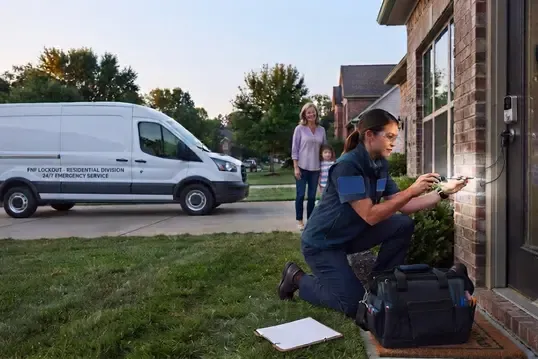
A properly functioning door lock is essential for keeping your home safe and secure. However, locks can sometimes become difficult to operate, jam unexpectedly, or stop working altogether. These problems can happen because of worn-out internal components, damaged keys, dirt buildup, or changes in the door’s alignment. When a home lock suddenly stops working, knowing what to do can help prevent further damage and protect your property.
For homeowners in Farmington, Missouri, understanding common lock problems and knowing when to contact a professional locksmith can make these situations easier to handle.
1. Stay Calm and Identify the Problem
When your home lock stops working, avoid forcing the key or turning the handle aggressively. Applying too much pressure can damage the key or internal locking mechanism.
Start by identifying what is happening. Ask yourself:
- Is the key difficult to insert or remove?
- Does the key turn without unlocking the door?
- Is the lock completely jammed?
- Does the door handle move but the door remain locked?
- Does the key get stuck inside the lock?
Understanding the problem can help determine whether the issue is related to the key, lock cylinder, door alignment, or internal mechanism.
2. Check the Key for Damage
Sometimes, the problem is not with the lock itself but with the key. A bent, worn, or damaged key may not properly engage with the locking mechanism.
Inspect your key for visible signs of damage. If you have a spare key, try using it gently to see whether the lock operates normally.
If the spare key works, the original key may need replacement. Avoid repeatedly using a damaged key because it could break inside the lock and make the situation more complicated.
3. Look for Door Alignment Problems
A door that has shifted slightly can create pressure on the locking mechanism. This may happen because of loose hinges, changes in temperature, humidity, or normal wear over time.
You may notice that the door becomes difficult to close or that the deadbolt does not line up correctly with the strike plate.
Check whether the door closes properly and whether the lock lines up with its opening. If the door appears misaligned, avoid forcing the deadbolt into place.
A professional locksmith can inspect the door and determine whether the problem involves the lock, hinges, or strike plate.
4. Avoid Using Excessive Force
One common mistake homeowners make is forcing a key or handle when the lock becomes difficult to operate. Although this may seem like a quick solution, it can lead to additional damage.
Excessive force can:
- Break the key inside the lock.
- Damage the lock cylinder.
- Affect internal locking components.
- Make the door more difficult to open.
- Increase the cost of repairs.
If the lock does not respond after a few gentle attempts, stop and consider professional assistance.
5. Keep the Lock Clean and Properly Maintained
Dust, dirt, and debris can gradually collect inside a lock and affect how smoothly it operates. Regular maintenance can help reduce these problems and extend the lifespan of your locking hardware.
Consider these basic maintenance practices:
- Keep the exterior of the lock clean.
- Avoid allowing dirt and moisture to collect around the keyhole.
- Use a manufacturer-recommended lock lubricant when necessary.
- Check door hinges and hardware periodically.
- Pay attention to unusual noises or resistance when turning the key.
Avoid using household oils or unsuitable products because they may attract dirt and create additional problems.
6. Know When to Contact a Professional Locksmith
Some lock problems can be caused by minor issues, but others require professional inspection. If your key breaks inside the lock, the cylinder becomes damaged, or the mechanism stops responding completely, attempting repairs without the right experience may make things worse.
A professional locksmith can help with several problems, including:
- Repairing damaged or jammed locks.
- Replacing worn-out lock cylinders.
- Extracting broken keys.
- Adjusting or replacing door locking hardware.
- Rekeying existing locks.
- Installing new residential locks.
If you need a locksmith Farmington MO homeowners can contact for residential lock problems, choosing an experienced professional can help you find a suitable solution without unnecessary damage to your door or hardware.
7. Consider Whether Lock Repair or Replacement Is Better
Not every malfunctioning lock needs to be replaced. In some situations, cleaning, adjustment, or repairing a specific component may restore normal operation.
However, replacement may be a better option when:
- The lock has significant internal damage.
- The locking mechanism is extremely worn.
- The lock repeatedly becomes jammed.
- Important components are broken.
- The existing lock no longer provides the level of security you need.
A professional locksmith can evaluate the condition of your lock and recommend whether repair, rekeying, or replacement is the most practical option.
Conclusion
A home lock that suddenly stops working can create frustration and raise concerns about your property’s security. Identifying the problem, checking for key damage, avoiding excessive force, and maintaining your locking hardware can help prevent further complications.
However, when a lock remains jammed, becomes damaged, or refuses to operate properly, professional assistance is often the safest solution. FNF Lockout LLC provides residential locksmith services in Farmington, Missouri, and surrounding communities, including lock repair, replacement, installation, and rekeying.
If you are experiencing problems with your home locks, contact FNF Lockout LLC to schedule a service and discuss the right solution for your residential security needs.