
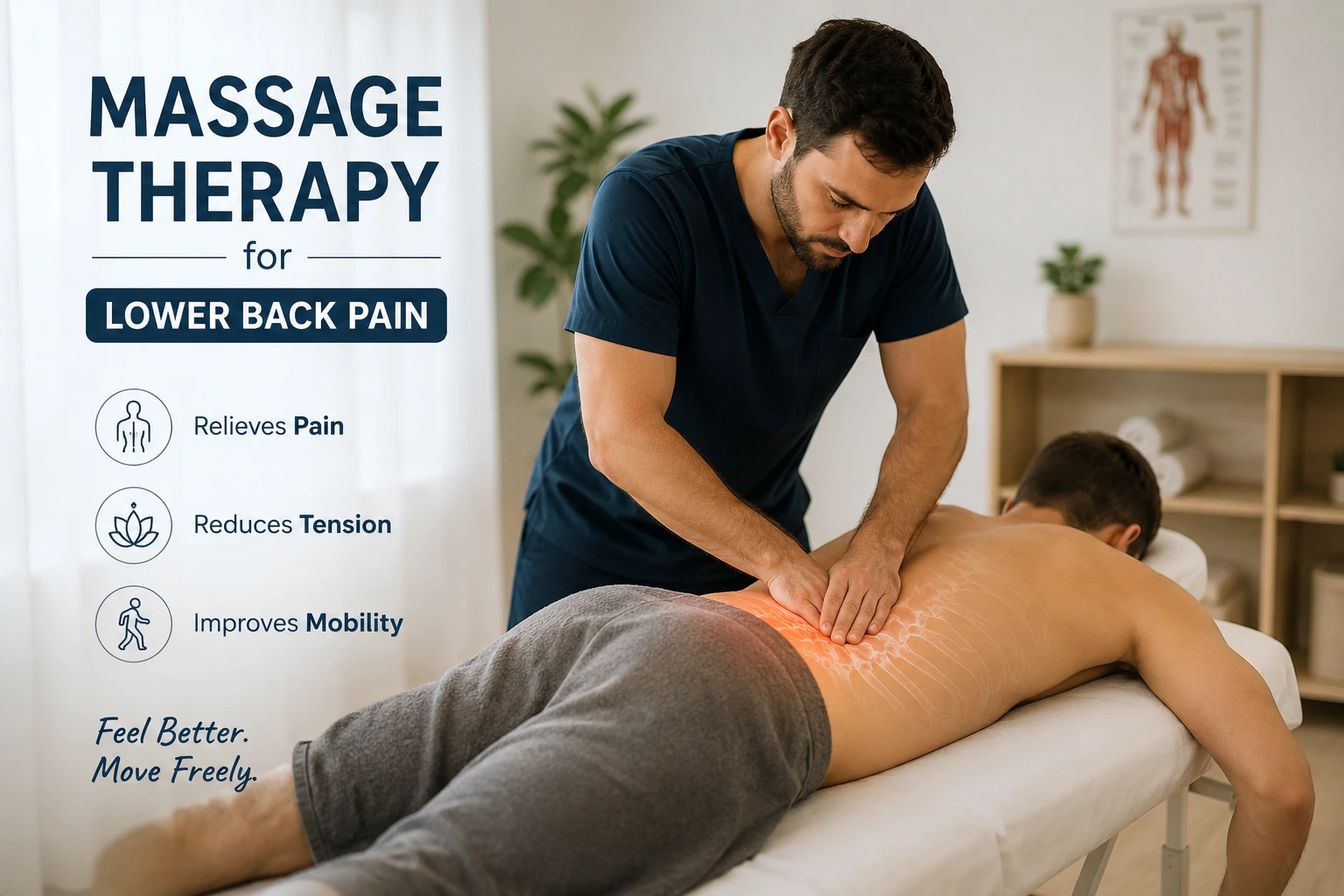
Lower back pain is one of the most common reasons people miss work, skip workouts, or simply can’t get comfortable at the end of the day. When medication feels like a band-aid and stretching only goes so far, many people turn to massage therapy for relief. But does hands-on bodywork actually fix the problem — or does it just feel good in the moment?
The honest answer sits somewhere in between: massage therapy can meaningfully reduce back pain and improve mobility, especially in the short term, but it works best as one piece of a bigger recovery plan rather than a standalone cure.
What Massage Actually Does for a Sore Lower Back
Muscular lower back pain is rarely caused by one muscle acting alone. Two structures in particular play an outsized role: the deep spinal stabilizers along the lumbar region and the hip muscles that keep your pelvis level while you walk or stand. When these muscles tighten, spasm, or grow fatigued from poor posture, prolonged sitting, or repetitive lifting, pain can radiate across the low back and into the hips or thighs.
Targeted soft-tissue work — deep tissue massage, myofascial release, trigger-point therapy, or even a well-executed Swedish massage — helps by:
- Increasing blood flow to tight, oxygen-starved muscle tissue
- Releasing trigger points and adhesions that restrict movement
- Calming an overactive nervous system response to pain
- Restoring range of motion in the hips and lower spine
- Reducing the muscle guarding that often makes pain worse
A skilled therapist won’t just rub the area where you feel pain — they’ll often work the surrounding hip and gluteal muscles too, since back pain is frequently referred pain from imbalances elsewhere in the kinetic chain.
What the Research Actually Shows
It’s worth being realistic here rather than overselling massage as a miracle fix. A large Cochrane systematic review pooling data from numerous randomized controlled trials found that massage therapy produced measurable improvements in pain for people with acute, sub-acute, and chronic low back pain — but mainly in the short term. Functional improvement (things like ease of movement and daily activity) was also seen in sub-acute and chronic cases when massage was compared with no treatment at all.
However, the reviewers rated the overall quality of evidence as low to very low, largely because it’s difficult to blind participants in massage studies — you obviously know whether or not you’re being touched. Long-term benefits were less consistent, and the researchers were cautious about drawing firm conclusions. The upside: reported side effects were minor, with temporary soreness being the most common complaint.
The practical takeaway is that massage is a legitimate, low-risk tool for symptom relief, particularly when pain is muscular rather than structural (like a herniated disc or spinal stenosis) — but it shouldn’t replace exercise, physical therapy, or a proper diagnosis if pain is severe, persistent, or radiating down the leg.
Getting the Most Out of a Massage for Back Pain
If you’re booking a session specifically for lower back pain, a few things can make it more effective:
Speak up about your symptoms. Tell your therapist exactly where the pain starts, whether it moves into your hips or legs, and what makes it worse. This helps them decide whether to focus on deep tissue work, gentle relaxation massage, or a combination.
Ask about hip and glute work. Because the hips and lower back share so much biomechanical overlap, a session that only touches the visible “sore spot” may miss the actual source of tension.
Pair it with movement. Massage loosens tissue, but strengthening the core and hip stabilizers is what keeps pain from returning. Think of massage as opening a window of reduced pain in which stretching and light exercise become easier and more effective.
Stay consistent, not sporadic. A single session can bring temporary relief, but people with chronic low back pain tend to see better outcomes with a short series of sessions spaced over a few weeks, rather than one-off visits.
When to See a Doctor Instead
Massage is not appropriate as a first response to certain warning signs: numbness or tingling down one leg, loss of bladder or bowel control, unexplained weight loss, fever, or pain following a significant injury. These symptoms warrant a medical evaluation before any hands-on treatment.
Conclusion
Massage therapy won’t structurally “fix” a damaged disc or correct years of poor posture in one session, but for common muscular low back pain, it offers real, evidence-backed short-term relief with very few risks. Used alongside movement, posture awareness, and — when needed — professional medical guidance, it can be one of the most comfortable tools in your back-pain toolkit.